
Stainless steel is the only material
that combines three key features:
Chemical neutrality: Complete material passivity. Steel does not react with water, guaranteeing the preservation of its natural properties (it does not change the taste or smell).
Sterility and hygiene: The smooth surface of steel prevents the growth of bacteria and microorganisms, ensuring the highest bacteriological standard.
Mechanical durability: Above-average hardness and elasticity parameters make it an unrivaled material in the high-pressure environment of sanitary installations.
The dominant position of brass in the manifold production market is due solely to economics, not technical superiority. Brass alloys (especially those with lead additives) are characterized by high machinability, which significantly reduces the cost of manufacturing fittings. Stainless steel is a hard and technologically demanding material. Its processing generates significantly higher tooling and machinery costs. However, this is the only area where brass wins. From the perspective of material engineering and end-user safety, a stainless steel manifold outclasses traditional solutions immediately upon installation in your home.
Brass or stainless steel? A comparative analysis.
The following comparison presents the key physicochemical and operational differences between both materials. See how the choice of raw material affects the safety, hygiene, and longevity of your water installation over many years of operation.
Feature
Brass Manifold
(CW617N/CW614N)
Stainless Steel Manifold
(AISI304L/
316L)
Effect in use
WATER SAFETY AND HYGIENE
Risky: presence of heavy metals.
Brass alloys contain 1.5 - 3% Lead (Pb), which is toxic and migrates into drinking water.
Safe: laboratory purity.
100% lead-free material. Full chemical neutrality in accordance with the EU Drinking Water Directive.
Health without compromise.
Steel: You can be sure that the water you drink is toxin-free. Brass: Heavy metal migration may lead to it being withdrawn from the market.
INTERNAL CORROSION RESISTANCE
Dezincification phenomenon:
Leaching of zinc weakens the structure (creating a porous "sponge") and forms blockages from corrosive deposits.
Passive protection
Stal posiada powłokę pasywną która blokuje wypłukiwanie. Struktura materiału pozostaje lita i niezmienna przez lata.
An investment for generations.
Steel is durable. No risk of failure caused by internal corrosion. Brass deteriorates from the inside in an invisible way.
SHUT-OFF VALVES
Risk of seizing:
Limescale easily adheres to the rough surface of brass, especially in the nooks of the structure, leading to blockage and valve failure.
Patented design:
The perfectly smooth surface of steel and a special valve design prevent limescale buildup.
Full control.
In an emergency, a steel valve will operate smoothly and reliably even after years of non-use. Brass ones seize and get damaged.
MECHANICAL DURABILITY
Casting brittleness:
Material prone to micro-cracking upon impact or excessive tightening.
High elasticity:
Steel absorbs stresses. High resistance to pressure surges (water hammer). Hardened threads.
Bezpieczny montaż i eksploatacja.
Steel: lower risk of body cracking during installation and use. Brass: stress-related cracks.
THERMAL CONDUCTIVITY
Very high:
Large energy loss – acts like a radiator (120W/m). Quickly releases water heat to the surroundings, cooling the water in the pipes.
Very low:
Conductivity of only 15 W/m makes steel an excellent thermal insulator. "Thermos effect."
Lower bills.
Steel: water stays hot longer and moisture does not condense on the pipes. Brass cools the water and promotes the "sweating" phenomenon.
Where is stainless steel irreplaceable?
Everywhere where hygiene and reliability are a priority:
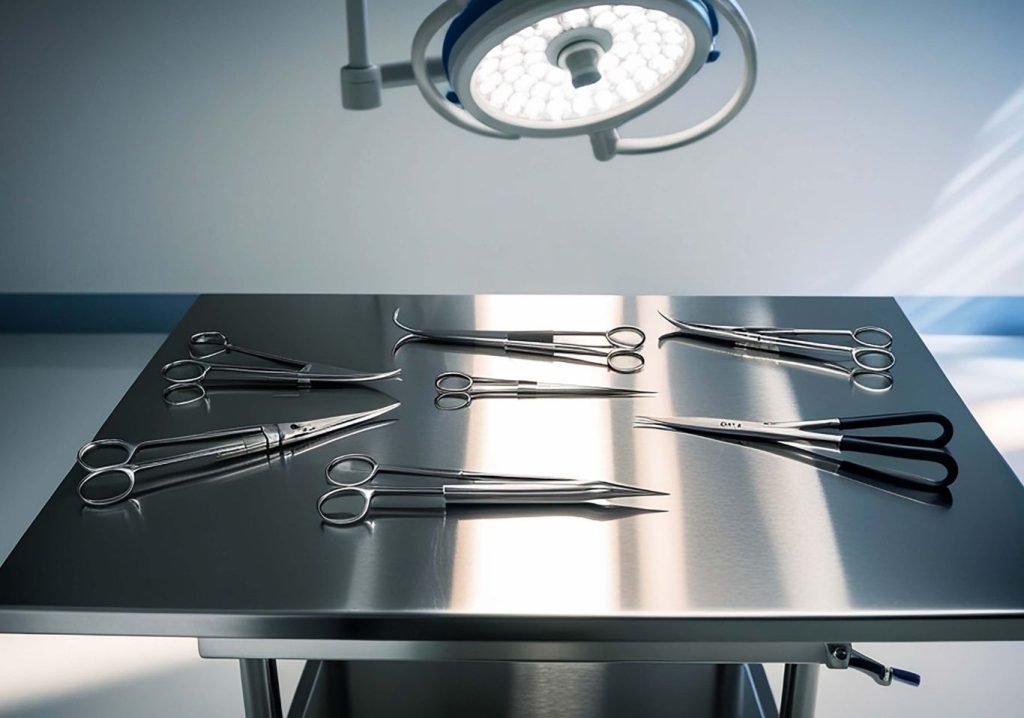
Medical and Pharmaceutical Sector:
(Surgery, implantology, sterile treatment rooms)


Food Industry and HoReCa Sector:
(Professional kitchens, food processing, premium domestic fittings)


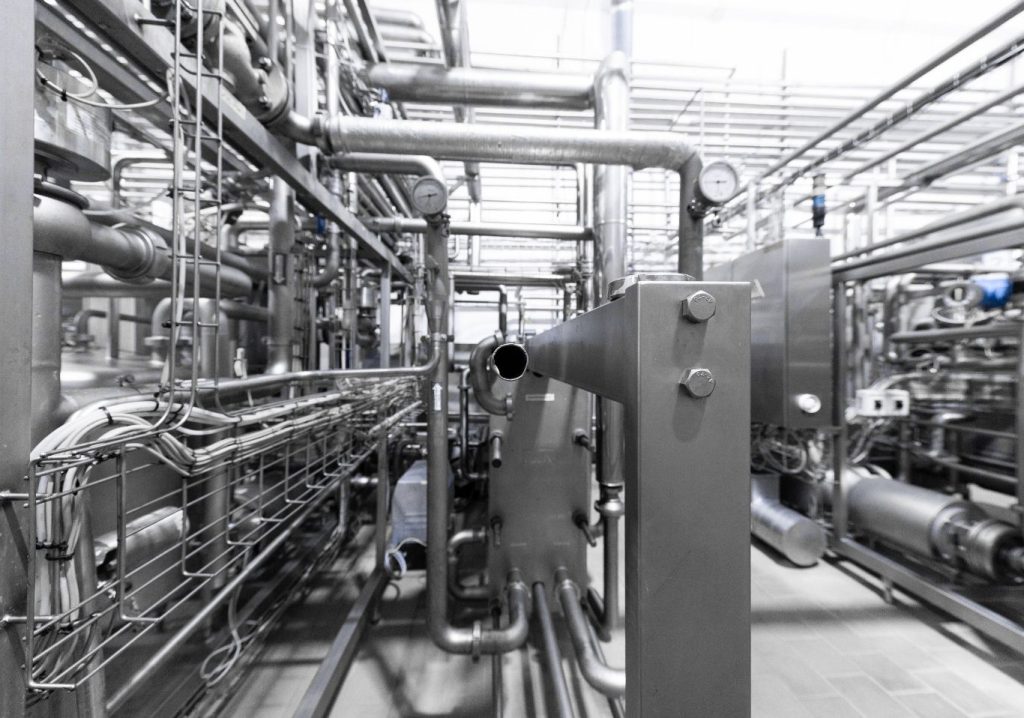
Industrial installations – standards brought to domestic systems


Quickly and easily select and price your hot and cold domestic water installation based on a stainless steel manifold system.

Manufacturer of Stainless Steel Water Manifolds
CONTACT
- FIBO Jacek Kwaśniewski
- NIP: 751-165-65-67
- 46-100 Kamienna ul. Kościelna 5/2
- kontakt@fiboinstal.com
INFORMATION
© 2025 FIBO INOX HOME. All rights reserved. Implementation: FIBO Jacek Kwaśniewski